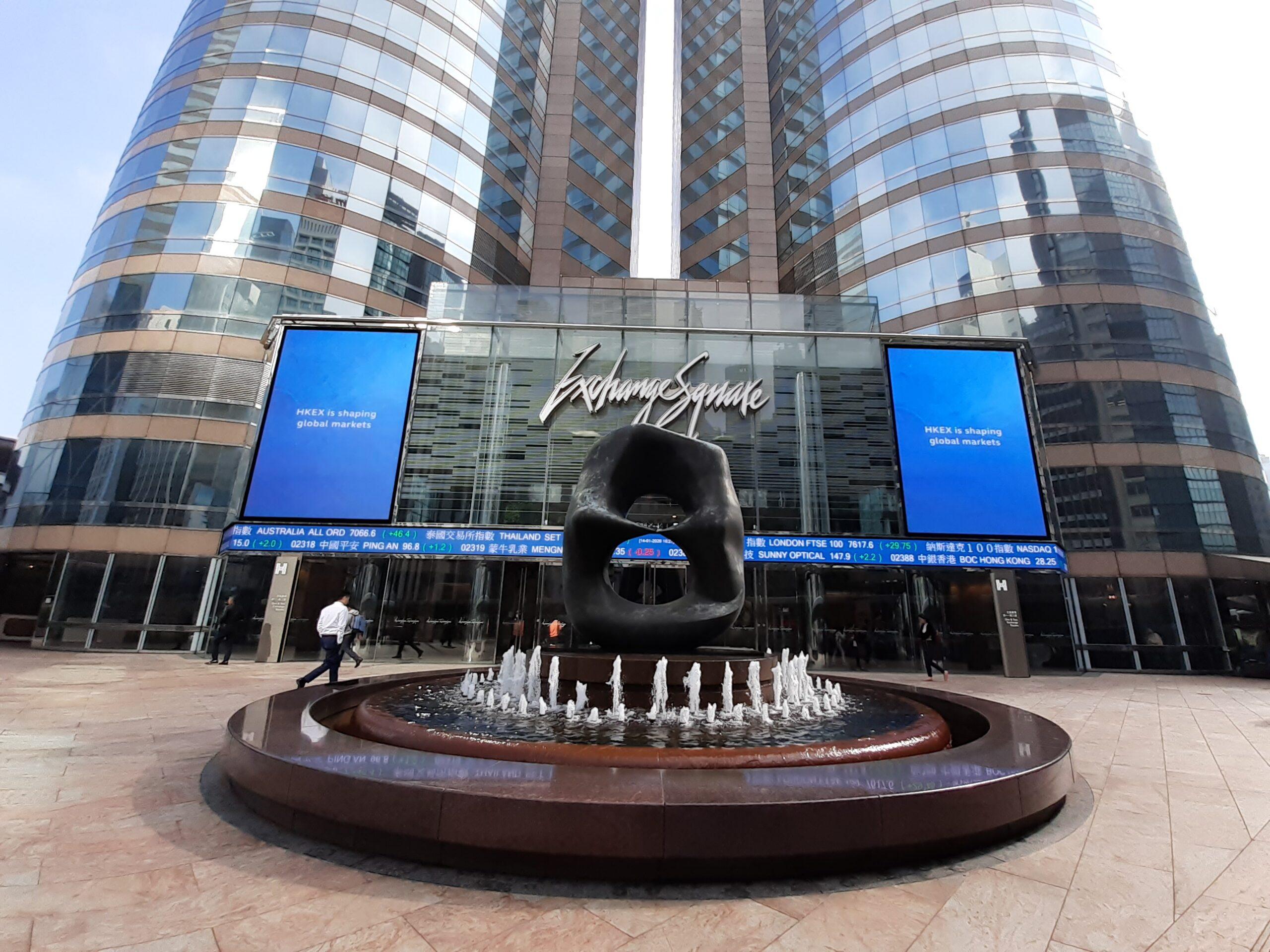
In 2026, Hong Kong is experiencing an unprecedented wave of AI company listings. According to the latest data, more than 85% of China's AI-related companies that went public so far this year chose to list on the Hong Kong Stock Exchange (HKEX) rather than in Shanghai or Shenzhen. In the first quarter, total IPO fundraising in Hong Kong topped US$14 billion, nearly six times the same period in 2025. This capital feast is reshaping Hong Kong's position as a global financial center.
By the Numbers: How Big Is the AI IPO Wave?
According to Kharon's analysis, 23 Chinese AI-related companies have listed in Hong Kong so far in 2026, more than 85% of all 27. By comparison, the number of new AI listings on the Shanghai and Shenzhen exchanges pales in comparison.
Well-known AI model and training companies have chosen Hong Kong as their listing stage, including:
- MiniMax (a large language model developer)
- Biren Technology (a domestic AI chip designer)
- Zhipu AI (Z.ai, one of China's top AI research institutions)
These IPOs attracted not only mainland investors but also international capital from the UAE, Singapore, South Korea, Switzerland and even the United States.
Why Hong Kong? Three Key Factors
1. Beijing's Strategic Backing
China's latest five-year plan makes AI development a national strategic priority, while explicitly supporting Hong Kong in strengthening its role as a stable, investor-friendly international trade center. Amid rising global geopolitical uncertainty, Hong Kong has become the best bridge for Chinese companies to connect with international capital.
2. The Door to US Markets Is Narrowing
The US Treasury's Outbound Investment Security Program, in effect since January 2025 and steadily expanding, restricts US capital from investing in Chinese AI and advanced technology companies. As a result, Chinese AI companies that might once have listed in New York have had to turn to Hong Kong.
Brookings Institution fellow Kyle Chan noted: "What we're seeing in Hong Kong is a fairly clear shift, from a global financial center to a dedicated platform connecting Chinese companies with the world."
3. Hong Kong Takes the Initiative and Lowers Listing Barriers
HKEX has been actively cutting listing thresholds and speeding up approvals to keep its IPO numbers competitive. Hong Kong Chief Executive John Lee revealed at an investment summit that more than 500 companies are currently in line to list in Hong Kong, spanning AI, semiconductors, robotics and autonomous driving.
Hong Kong's New Role: A Springboard for Chinese AI Going Global
Ho-fung Hung, a professor of political economy at Johns Hopkins University, says the Hong Kong market is currently being shaped by three forces together: Hong Kong's active efforts to reassert its financial status, Beijing's cautious approach to financial risk, and the continued participation of global investors.
"Right now these three forces coexist," he said, "but that coexistence may not last forever."
For investors, putting money into Chinese AI companies in Hong Kong is no longer just about financial returns. It also involves geopolitical risk and reputation management.
Conclusion: Opportunities and Challenges for Hong Kong's AI Financial Ecosystem
Hong Kong's 2026 AI IPO boom is both an opportunity and a challenge. For Hong Kong, it is a historic chance to reestablish itself as a financial hub for Asia and the world. For investors, it calls for more careful judgment in weighing large potential returns against complex geopolitical risks.
What is certain is that in 2026, as the global AI race accelerates, Hong Kong stands in an unprecedented strategic position, and this AI capital feast is only just beginning.